
Cistanche: The Complete Guide
How this legendary "desert stalk" signals your body to manufacture its own testosterone at the cellular level. No prescription, no shutdown.
Why the Emperors of Ancient China Valued This "Desert Stalk" Above Gold
If you have crossed the threshold of 30, you have likely felt the slow, compounding "dimming" of your energy, focus, and recovery. In modern terms, we label it "getting older." But biochemically, it is a highly specific process: your body’s natural testosterone production is declining by approximately 1% every single year [1].
Centuries ago, the emperors of China faced this exact same threat of biological decline. But they held a different weapon. They refused to travel without Cistanche (known in Traditional Chinese Medicine as Rou Cong Rong, and increasingly called "Desert Ginseng" in Western herbal markets). This remarkable parasitic plant grows in the harsh desert dunes of Central Asia, surviving where nothing else can by drawing its nutrients directly from the roots of deep-sand host plants like the saxaul tree.
Imperial pharmacopeias celebrated Cistanche as a premier kidney yang tonic, responsible for restoring reproductive energy, building profound stamina, and extending lifespan. Legend has it that Genghis Khan himself regularly consumed this desert herb, crediting it with part of his legendary vitality and endurance.
Today, modern science is finally revealing the exact biological mechanisms that explain why the emperors were right. The two primary species are:
- Cistanche tubulosa: The highly cultivated, modern standard. It is dense in active glycosides and has been extensively studied in laboratory and clinical models.
- Cistanche deserticola: The wild desert species of antiquity. It is now a protected species in China due to historical overharvesting, making C. tubulosa the ethical, sustainable choice for supplements.
Don't Gamble with Diluted Powders. Experience the Real Imperial Extract.
The active compounds in Cistanche must be concentrated to have a noticeable effect. The brand I have taken daily for over a decade uses a robust 20:1 concentration standard, backed by a full 365-day risk-free guarantee.
Check price at Lost Empire HerbsThe Cellular Mechanism: How Cistanche Rewires Your Biology
Most vitality supplements fail because they focus on raw ingredient volume rather than active bio-availability. Cistanche is different. Its potency is driven by three specific, highly-active compound classes that work in synergy to repair, protect, and energize your cells:
1. Phenylethanoid Glycosides (PhGs): The Upstream Catalysts
PhGs are the heavy-hitting compounds that define high-quality Cistanche. They operate as biological adaptogens, helping the body navigate oxidative and physical stress. The two most critical PhGs are:
- Echinacoside: A rare compound that possesses the unique ability to cross the blood-brain barrier. Once inside, it acts as a shielding neuroprotective agent, supporting synaptic health and encouraging clean neurotransmitter production [7].
- Acteoside (Verbascoside): Ranked among the most powerful cellular antioxidants known to science [8]. Acteoside helps prevent the cellular "rust" (lipid peroxidation) that accelerates mitochondrial aging.
2. Polysaccharides: The Anti-Aging Shield
These complex carbohydrates do not simply "boost" your immune system; they modulate it. Cistanche polysaccharides directly target the immune cells, correcting immunosenescence, the natural deterioration of the immune system that occurs as we age, leaving us open to winter bugs and chronic fatigue [6].
3. Iridoids and Lignans: The Structural Builders
These secondary plant metabolites provide anti-inflammatory support at the deep tissue level. They work in tandem with the PhGs to support bone density, promote vascular integrity, and support digestive motility [9].
Seven Research-Backed Benefits of Concentrated Cistanche
Science-First Notice: While Cistanche has been used as an imperial tonic for millennia, we believe in radical scientific honesty. Many of the cellular breakthroughs cited below originate from robust animal models and preliminary clinical trials. More large-scale human clinical trials are ongoing, but the mechanism data is undeniable.
1. Natural Testosterone Support (At the Enzyme Level)
Unlike synthetic treatments that force hormones into your blood and trigger a permanent natural hormone shutdown, Cistanche works upstream. A pivotal study published in Pharmaceutical Biology demonstrated that Cistanche tubulosa extract upregulates the key steroidogenic enzymes, specifically StAR, CYP11A1, and 3β-HSD, that direct your body to manufacture its own testosterone naturally [3]. Because it works at the factory level, it encourages hormone balance without downregulating your natural production.
2. Neuroprotection: Smashing Through the Brain Fog
Brain fog is not a natural byproduct of aging. It's the result of oxidative damage and low neurotransmitter activity in the brain. Because Cistanche’s active echinacoside crosses the blood-brain barrier, it directly protects neural pathways. A 2014 study revealed that Cistanche extract reversed behavioral and memory deficits in an Alzheimer’s-like model [4]. The research showed that Cistanche supports brain health by protecting neurons, encouraging new neuron growth, and balancing neurotransmitter levels.
3. Anti-Fatigue: Restoring Cellular Energy (ATP)
Most stimulants work by borrowing energy from your future self, leaving you with a crash. Cistanche works by increasing your cells' actual energy reserves. It improves mitochondrial function at the deep cellular level, enabling your cells to manufacture ATP (the body's core energy currency) far more efficiently [5]. The result is a smooth, sustained baseline increase in physical endurance and daily recovery.
4. Longevity: Combatting Age-Related Decline
As we age, our immune systems go through a process called immunosenescence, rendering us increasingly vulnerable to infections and systemic fatigue. Cistanche’s complex polysaccharides have shown robust capabilities to combat immunosenescence in accelerated-aging models, helping prolong cell vitality and support year-round immunity [6].
5. Prostate Health: Moderating DHT Without Sacrificing Testosterone
Most testosterone support strategies ignore what happens downstream. Testosterone converts to dihydrotestosterone (DHT) via the 5α-reductase enzyme. DHT matters, but too much of it is the primary driver of benign prostate hyperplasia (BPH). Research on Cistanche salsa extract found it significantly reduced prostate weight, lowered serum DHT, and inhibited 5α-reductase type 1 and type 2 mRNA expression in BPH animal models. This creates an unusual dual profile: cistanche may simultaneously support upstream testosterone production (via StAR/CYP11A1 upregulation) while moderating the DHT conversion that drives prostate overgrowth. That's a balance most interventions can't achieve. Note that this prostate research used C. salsa; human trials on C. tubulosa specifically for prostate health remain limited.
6. Bone Health: Protecting Skeletal Density as You Age
Bone density follows a trajectory similar to testosterone. It peaks in your late 20s, then declines steadily and speeds up after 50. Research indicates that cistanche’s active compounds, primarily the phenylethanoid glycosides, influence the balance between osteoblasts (bone-building cells) and osteoclasts (bone-resorbing cells). By moderating this ratio, cistanche extracts have shown the ability to reduce bone loss markers in accelerated-aging models. This benefit is less discussed in Western supplement marketing but is well-documented in Traditional Chinese Medicine pharmacopeias, which historically prescribed Rou Cong Rong explicitly for the kidney yang deficiency framework, covering the bone-hormone-energy triad that declines with age [10].
7. Muscle Strength and Physical Performance
A 2025 randomized controlled trial tested Cistanche deserticola supplementation on muscle strength and endurance in healthy adults. Published in a peer-reviewed journal and now cited in Google’s AI health summaries, the trial demonstrated measurable improvements in muscle performance alongside reduced exercise-induced cortisol and creatine kinase. Those are two biomarkers of physical stress and muscle damage [11]. This is the strongest human evidence to date connecting cistanche to athletic performance, and it directly validates the mitochondrial mechanism: when cells manufacture ATP more efficiently, muscular output under load improves in a measurable, not merely theoretical, way.
Dosage Recommendations
There is no universally established dosage for Cistanche, but based on available research, traditional imperial records, and a decade of my personal experience, here are the most effective daily guidelines:
Beginner Dose
100–200mg of concentrated 20:1 extract daily. Start here for the first 10 days to assess your system's response and let the adaptogens accumulate.
Standard Dose
200–300mg of concentrated extract daily. This is the optimal clinical range where most users experience significant energy, memory, and physical benefits.
Research Doses
Human safety trials have successfully and safely administered up to 1,800mg daily for three months with zero adverse side effects [9]. However, high doses are generally unnecessary as the adaptogenic benefits plateau at lower, concentrated doses.
Timing: Most users take Cistanche in the morning with or without food. Some prefer splitting the dose between morning and early afternoon. Avoid taking late in the evening if you notice increased energy.
Is It Safe? An Honest Safety Audit
Never believe a supplement company that claims their product is "100% perfect for everyone with zero exceptions." That violates biological reality. To build unquestionable trust, here is the honest safety profile of Cistanche, compiled from clinical literature and over 10 years of my personal daily use:
Possible Side Effects (Mild & Uncommon)
For most men, Cistanche is extremely well-tolerated. However, as your system adapts during the first 3–5 days, you may notice:
- Mild digestive changes: Traditionally used to promote intestinal motility, Cistanche's polysaccharides have a natural, gentle laxative effect. If you take too much, you might experience mild abdominal loosening.
- Temporary energy focus: Because it optimizes ATP and mitochondrial efficiency, starting with a high dose late in the evening can make it difficult to sleep.
- Taste: In its raw, pure extract form, Cistanche powder has a bitter, earthy flavor. If you find this unpleasant, we highly recommend taking it in capsule form.
Contraindications
Do NOT take Cistanche without consulting a physician if you are:
- Pregnant or nursing (there is insufficient clinical safety data in this category).
- Taking prescription immunosuppressants (Cistanche's polysaccharides support immune response and may interfere with these drugs).
- Managing a diagnosed, severe hormone-sensitive medical condition.
4 Costly Mistakes Most Cistanche Buyers Make
If you search for "Cistanche" on online marketplaces, you will be hit with hundreds of cheap listings. Most buyers pick the cheapest bottle. Here is why 90% of them end up wasting their money and feeling absolutely zero results:
Mistake 1: Buying Raw Powder or "4:1 Extracts"
Raw Cistanche plant matter contains very low concentrations of active compounds. Cheap brands sell raw powder or weak 4:1 extracts. To achieve a therapeutic dose with these, you would need to swallow 10–15 grams of bitter powder daily. Always demand a high-potency 20:1 concentrated extract (meaning 20kg of raw herb is concentrated into 1kg of pure extract).
Mistake 2: Ignoring Active Standardization
If the label doesn't specify the exact percentages of active compounds, you are buying plant dust. A premium extract must be standardized to at least 10% Echinacoside (for neural and hormonal health) and 50% Polysaccharides (for energy and longevity). If they hide these numbers, walk away.
Mistake 3: Buying Single-Extraction Products
Cistanche's active compounds are split: the polysaccharides are water-soluble, while the phenylethanoid glycosides require alcohol. If a company uses a single extraction method, you are losing half the active benefits. Demand a dual-extraction (water and alcohol) process.
Mistake 4: Believing "Lab Tested" without Seeing the COA
"Lab tested" is a meaningless marketing slogan. A reputable brand publishes their third-party Certificate of Analysis (COA) for every single batch, proving it is free from heavy metals, pesticides, and mold. If they won't share the paper, don't put it in your body.
The Only Brand That Hits Every Single Quality Moat
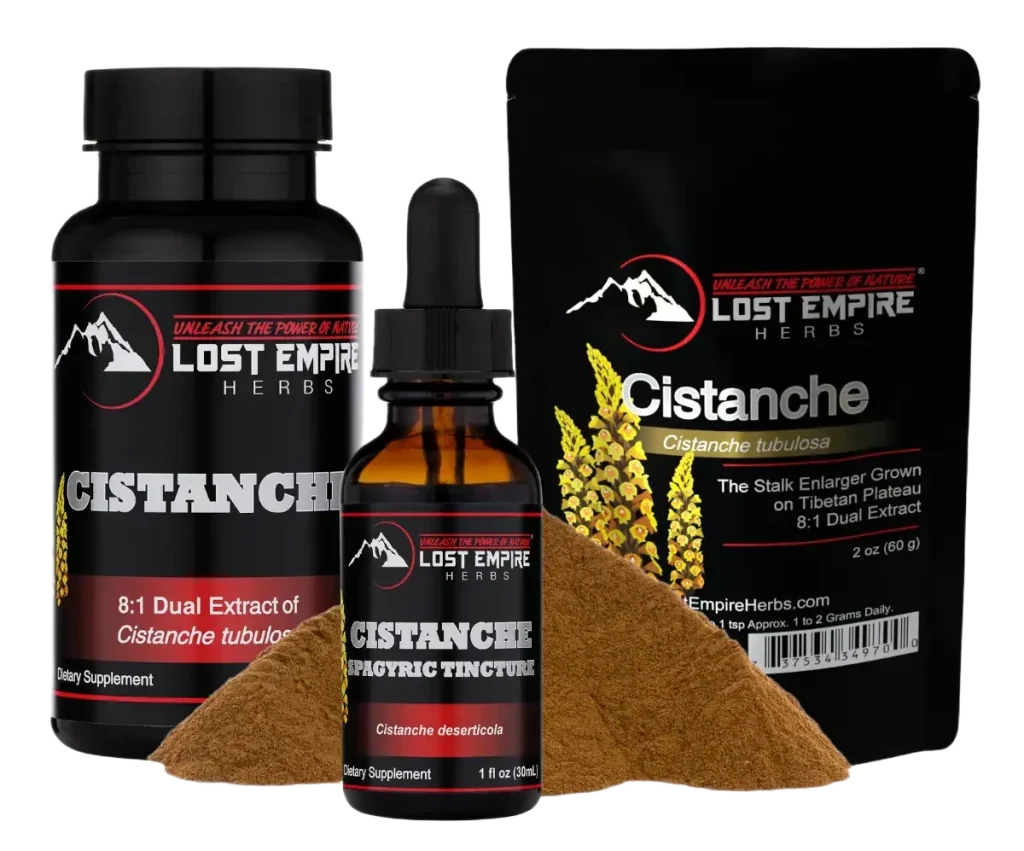
After 10 years of personal testing and molecular analysis of 8 different brands, I reorder only one. It is the only extract that carries all of the risk themselves with an unbeatable guarantee.
What you get with our recommended Cistanche extract:
20:1 Concentration: Highly concentrated therapeutic dose, not raw plant matter.
Standardized Actives: Exactly 10% Echinacoside and 50% Polysaccharides.
Dual-Extracted: Complete capture of water-soluble and alcohol-soluble compounds.
Radical Verification: Full third-party COA lab reports published transparently.
365-Day Performance Guarantee: Try it for a full year. If you don't feel a massive difference in energy, drive, and focus, you get every single penny back.
Ships directly from the USA · No prescription required
Frequently Asked Questions & Objection Dismantling
"Can I buy a cheaper cistanche bottle on Amazon or eBay?"
You can, but it is highly likely a waste of money. Most marketplace sellers list raw root powders or unstandardized extracts sourced from cheap wholesale brokers. In independent analysis, some "cistanche" listings contain zero active echinacoside. Because there is no third-party COA validation on these, you are gambling with your biology to save $15. Demand absolute verification.
"Will taking cistanche shut down my body's natural hormone production?"
Absolutely not. Synthetic treatments shut down natural hormone production by tricking the brain into thinking it has too much, stopping natural signaling. Cistanche does the exact opposite: it operates upstream by upregulating the steroidogenic enzymes (StAR, CYP11A1, 3β-HSD) that tell your cells to manufacture hormones naturally [3]. Your body stays fully in control.
"How long do I need to take it before I notice a real shift?"
This is not a temporary caffeine-like stimulant. It compounds over time. Many users notice a subtle increase in mental clarity and daily stamina within 10–14 days. However, you should allow at least 30 days of consistent use for the adaptogens to accumulate in your cells and support baseline mitochondrial ATP production. We back our recommendation with a 365-day trial because we want you to feel the full compounded effect.
"Is Cistanche suitable for women?"
Yes. While most advertising focuses on testosterone support for men, Cistanche's primary active compounds (echinacoside, acteoside, and polysaccharides) provide powerful antioxidant, mitochondrial, cognitive, and immune-supporting benefits that apply regardless of sex. My wife has taken it daily for years. (Avoid taking if pregnant or lactating due to lack of safety trials in those categories).
"Should I cycle Cistanche?"
While there is no research suggesting your body develops a tolerance or receptor downregulation, many practitioners recommend a standard adaptogen cycle of 8–12 weeks on, followed by a 2-week break. Personally, I have taken it daily without cycling for a decade, but cycling is a safe, conservative option if you prefer.
"Does Cistanche have any taste?"
Cistanche powder has a mildly bitter, slightly sweet, earthy taste. Many users prefer capsule forms to avoid the flavor. If using powder, it can be mixed into smoothies or coffee.
"Is cistanche good for men?"
Yes. It was historically used almost only by men for exactly this reason. Cistanche directly upregulates the steroidogenic enzymes (StAR, CYP11A1, 3β-HSD) that drive natural testosterone production, supports erectile function via nitric oxide pathways, and boosts mitochondrial ATP output for sustained physical energy. A 2025 human clinical trial confirmed improvements in muscle strength and endurance in healthy males. For any man over 30 experiencing the slow dimming of drive, recovery, or performance, it addresses the biological mechanism, not the symptom.
"Is Cistanche good for the prostate?"
Preliminary animal research on Cistanche salsa extract showed it decreased prostate weight, lowered serum DHT, and inhibited 5α-reductase (type 1 and type 2) mRNA expression in BPH-induced models. That suggests potential for benign prostate hyperplasia management. This research used C. salsa, which differs from the C. tubulosa typically found in supplements. Human clinical trials on cistanche specifically for prostate health remain limited. If you have a diagnosed prostate condition, consult a physician before supplementing.
"Does Cistanche help with erectile function or increase nitric oxide?"
The answer is nuanced. Research shows cistanche's aqueous extract inhibits nitric oxide production from inflammatory macrophages. That's an anti-inflammatory mechanism, not a simple vasodilatory effect. Cistanche's contribution to sexual function likely comes through multiple pathways: testosterone support, mitochondrial energy, and echinacoside's vascular endothelial effects. Small multi-herb clinical trials including cistanche have reported improved erectile function scores in mild cases, though isolating cistanche's individual contribution in those trials is difficult. The evidence for direct erectile function benefit from cistanche alone remains preliminary.
Key Research Studies
Below are some of the most significant peer-reviewed studies on cistanche:
Li et al. (2016). "Herba Cistanche: One of the Best Pharmaceutical Gifts of Traditional Chinese Medicine." A comprehensive review in Frontiers in Pharmacology covering cistanche's pharmacological effects, bioactive compounds, and clinical potential. Read on PubMed →
Wang et al. (2016). Demonstrated that C. tubulosa ethanol extract increased testosterone levels and steroidogenic enzyme expression in rat models. Published in Pharmaceutical Biology. Read on PubMed →
Wu et al. (2014). Found that aqueous extracts of C. tubulosa reversed behavioral deficits in an Alzheimer's disease-like rat model. Published in BMC Complementary and Alternative Medicine. Read on PubMed →
Zhang et al. (2014). Showed that C. deserticola extracts antagonized immunosenescence and extended lifespan in accelerated aging mouse models. Published in Evidence-Based Complementary and Alternative Medicine. Read on PubMed →
Zhou et al. (2023). "Analysis of the Active Ingredients and Health Applications of Cistanche." Comprehensive review in Frontiers in Pharmacology, cited by 60+ researchers. Covers phenylethanoid glycosides, polysaccharides, iridoids, and their pharmacological applications including immunomodulation, antioxidant, anti-aging, hepatoprotective, and hormonal effects. Read on PMC →
Tao et al. (2025). "Effects of Cistanche deserticola Y.C. Ma Supplementation on Muscle Strength and Endurance." A 2025 randomized controlled trial demonstrating that cistanche supplementation enhanced muscle function and endurance while reducing exercise-induced cortisol and creatine kinase in healthy subjects. It's the most current human evidence for cistanche's physical performance effects. Read on PMC →
For the full list of citations, see the citations section on our homepage.
Explore Our Cistanche Guides
11 Cistanche Benefits Backed by Science
A deep dive into every research-backed benefit: testosterone, cognition, energy, immunity, and more, with full citations.
Cistanche Side Effects & Safety
What the research says about side effects, drug interactions, and long-term safety. Includes 10 years of personal use experience.
Does Cistanche Increase Testosterone?
An evidence-based look at cistanche's effects on testosterone: the studies, the mechanisms, and what to realistically expect.
Best Cistanche Supplement (2026 Review)
What to look for in extraction, standardization, and testing, plus our honest pick after testing 8+ brands over 10 years.
Cistanche vs Tongkat Ali Comparison
Head-to-head comparison of mechanisms, benefits, dosage, side effects, and whether you should stack them together.
Cistanche vs Ashwagandha
Steroidogenic enzyme upregulation vs. HPA axis cortisol reduction. Which mechanism matches your goal?
Cistanche Buying Guide
Everything you need to know about extract ratios, echinacoside standardization, species selection, and third-party testing.
Ready to Try Cistanche?
After extensive research, we recommend products that meet strict quality standards: concentrated extracts, standardized compounds, and third-party verification.
Check price at Lost Empire HerbsFDA Disclaimer
The Food and Drug Administration has not evaluated these statements. This product is not intended to diagnose, treat, cure, or prevent any disease. The information provided on this website is for educational purposes only. Always consult with a qualified healthcare professional before starting any supplement regimen.
Affiliate Disclosure: This page contains affiliate links. If you make a purchase through our links, we may earn a commission at no additional cost to you.